 |
Sasha Bernstein
“Honestly, I thought putting anchovies on pizza was like painting over the Mona Lisa – why ruin a beautiful thing? Now I crave them,” discloses a San Francisco transplant. He’s not alone. Anchovies, sardines, mackerel, salt cod and other flavor-forward fish have long fought a bad rap. Until recently, they were dubbed “fishy,” “smelly,” “salty,” and bore a scarlet letter of shame that was to be avoided by all good white meat, chicken-loving Americans. But it appears the tides are turning.
Bottom of the food chain on the rise
The Tacolicious truck pulls up to the San Francisco Ferry Plaza Farmers Market every Thursday offering guest chefs’ specialty tacos and a host of beloved Mexican staples to taco-lovers queued down the street. Culture-bending and bold, Executive Chef Staffan Terje of popular San Francisco Financial District restaurants Perbacco and Barbacco chose on his day to sling “sardine” tacos – alongside carnitas, carne asada, short ribs, potato chorizo and veggies, the sardines made up a full third of the day’s sales. “I’m a big advocate of fish from the dark side as I call them,” says Terje, “They’re full flavor and good for you. So it’s a little bit of my own political agenda.”
Chef Staffan is not the only one seeing flavor-forward fish flying off the menu. David Samuels of Blue Ribbon Fish Co., a top restaurant seafood purveyor in New York City notes, “I’m selling more sardines than ever – first off, they’re getting to the market fresher.” It’s true, here in the States, we associate sardines and related fishes with their canned brethren, generally characterized by a less-than-fresh “fishiness.” Part of the trend toward fish-acceptance is a result of accessibility and quality. The emaciated anchovies that sit on the late night joint’s pizza line don’t exactly scream to wary diners, “Eat me, I’m delicious and good for you.” Now, as chefs increasingly buy locally and import fish that were in the water less than 24 hours prior, the product is available to diners at its peak.
With more positive associations, the potential fish-eating public has started to reconsider. “A few years ago, no one wanted anchovies on their Napolitano pizza, now we sell a million of those a year,” shares Anthony Strong, chef at San Francisco’s famed Pizzeria Delfina. He attributes this to the food perspective of many Californians characterized by an adventurousness and appreciation for fresh, local ingredients.
With an open-minded audience and quality ingredients on hand, “Chefs are taking more risks,” observes Samuels. Even if they are chef-favorites, putting seemingly condemned ingredients on the menu is a brave move. As Chef Donato Scotti of heritage-honoring Donato Enoteca in Redwood City puts it, “If you believe in an ingredient, you have to stick by it.” And to our culinary benefit, borrowed cuisines and re-discovered treasures like pho, offal and oily fish continue to find their way onto menus into American hearts.
Chef Paul Bartolotta of highly acclaimed Bartolotta: Restaurante Di Mare in Las Vegas, known for its loyalty to authentic Italian cuisine, points out, “Sushi was weird; now you can find it at 7-11.” Hopefully the trend won’t parallel to point of gas station-sold whole mackerel.
Schools of fishy fish
In other cultures around the world, anchovies, sardines, salt cod and mackerel have been en vogue for thousands of years. Their inexplicably delicate development of flavor, cost-efficiency and considerable health benefits have kept these fish a culinary staple generation to generation. Not surprisingly, well-traveled diners, like Las Vegas guests for example, are generally open to and even excited by the opportunity to try flavorful fish dishes, according to Chef Bartolotta. Italian traditions, from which many West Coast “fishy” culinary trailblazers draw inspiration, call for a pinch of flavorful fish in everything short of dessert; they are woven into pasta sauces, vinaigrettes, cheese plates, meat dishes, pizza toppings, and more. “I think anchovies should go in everything,” says Chef Donato, “It enhances the flavor and adds depth to a dish.” Garum is an Italian-rooted fish base, just as Asian cultures stand by anchovy-based fish sauce, which plays into aek jeot for kimchi in Korea, kecap ikan in Indonesia, patis in the Philippines, and as a foundation for an astounding amount of dishes across the continent. As Chef Bartolotta explains, “These fish are a food culture with history – there’s a reason it works.”
In the 1800s, science shed new light on why the fish taste so good: umami. The notorious French chef, Auguste Escoffier, and a Japanese chemist, Kikunae Ikeda, both stumbled across an elusive and beloved taste; beyond salty, sweet, sour and bitter, the long-believed four finite tastes (based on their atomic structures), they recognized a fifth. Umami, loosely meaning “flavor” in Japanese, is found in a range of foods from parmesan to mushrooms, and a number one example of it is anchovies.
Chances are these flavor-forward fish all continue to swim through recipes. There’s more than a force of habit and fondness of taste behind using the little flavor-punchers; their high volumes keep their prices down and their names consistently off the Seafood Watch “avoid” list. For green-minded eaters, which are a growing group by the day, that makes these fish particularly favorable. What’s even better is that the fish are also typically very good for you. Sardines, mackerel and anchovies are packed with omega-3s (proven to be good for the heart, especially in women), making them reliable sources for health-conscious diners looking to get their daily fix of the chic fats.
The Old Bait-and-Switch: Getting them hooked
So how do you entice the reluctant diner to order a stereotypically “fishy” fish? One can acquire a taste for strong fish with a positive introduction. Chef Strong explains, “A palate can evolve from enjoying a little anchovy shaved over a salad to having the fish be the star of the plate.” To get from point A to B is up to the chef. One strategy is to slowly train the taste buds by using the flavor in small amounts in salads and sauces before launching into the full-fish presentation. According to Chef Bartolotta, “It’s our job to make the dining experience memorable, and to do it you must build trust. It is a privilege when a diner trusts you, and that is an opportunity to introduce new ingredients to them.” He suggests including mackerel or sardines in a dish of mixed seafood, encouraging guests to start with the familiar, and then if they like it, to move on to the newer territory.
Chef Chris Kronner of San Francisco’s Bar Tartine, known for palate-pushing dishes like bone marrow and fried rabbit, adds, “It’s important to educate your service staff, have them taste; explain where the fish come from, why you’re using them, their history, how they’re prepared, so they can communicate that to guests.” There is definitely something to be said for explaining the dishes and exposing the fishiness in favor of gaining popularity. For example, their “fishiness” goes back to their health-heavy high oil content, which causes them to process faster once caught. This means that not only are the fish providing serious cardiovascular-benefiting omega-3s, but that the fish are in fact served at their very freshest, since they do not last as long. The health aspects of the oils are also just part of the overall benefits of “fishy fish.” Adding to the strong case for their nutritional values, mackerel and cod also offer a good amount of vitamins B6 and B12. Anchovies and sardines meanwhile are great sources of vitamin D and calcium. Last but not least, because of their short life-spans, they boast remarkably low levels of mercury and other toxins since they spend less time in murky waters. Demystifying the fish helps win over dubious diners.
Dog-eared fish tails: chefs’ favorites
Every recipe tells a story, and for Anthony Strong, most little fish take him right back to Naples. “My inspiration is Naples, Sicily, the Amalfi Coast – there are sardines everywhere….” One of his reincarnations serves them pan-fried and layered with onions, currants, pine nuts and vinegar, in a typical “in saor” preparation. Similarly, Chef Bartolotta favors spaghetti con le sarde, a less “sour” variation that tosses the fish with raisins, pine nuts, wild fennel pollen, breadcrumbs and finally bucatini; “It’s a perfect classic,” he explains.
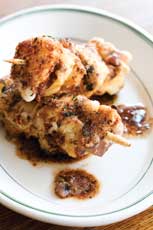
When it comes to anchovies, freshness is big, but old-fashioned preservation techniques can go a long way: reintroducing the in-house cure. Kronner pickles his sardines in white wine and white wine vinegar with coriander, chili flake for as little as two hours and up to two days. He serves them over a white bean puree with Marin Sun Farms watercress and Tartine’s renowned country toast with Serano chili oil. Terje usually serves the palatable little sea gems pickled with water, vinegar, salt and sugar for two days, then bones them, and plates them with olive oil and his salsa verde and with marinated radishes. Strong cures them whole and folds them into everything from tomato sauce to whole stuffed escarole heads to chilled veal breast with dandelion.
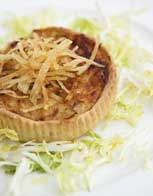
For Chef Donato, baccala is Vincenza, Italy. A cold rendition of baccala made a culinary impression on him, and he revisits that fond experience by putting it all over his menu. In his interpretations, it’s about raising the temperature; he braises it in tomato and olives, or in milk before baking it in a ramekin and serving it with bread chips for his signature terrina di baccalà.
Varying levels of creativity with the ingredients give guests an opportunity to ease into an appreciation for sardines, anchovies, mackerel and salt cod. One who claims to detest anchovies, may delight in a well-made Caesar salad. Taking that to the next level, Kronner uses fried smelt as a crouton replacement on his escarole Caesar.
When in doubt, use an internationally comprehended language; as Chef Donato says frankly, “If you fry it, people will eat it!”
In her New York elementary school cafeteria, Sasha turned her salami sandwiches into bite-sized hors d’oeuvres for the lunch table. That enthusiasm for food and hospitality brought her to California to coordinate parties for Esquire, assist Iron Chef Cat Cora, cook and run food in top SF restaurants, write for 7x7, restaurant consult with Andrew Freeman & Co. and collaborate on events with industry friends. Her time is now spent as the program director for SF Chefs 2010, exploring new shores and farmers markets, painting, running, cooking and engaging in Bay Area adventures.